If you haven't yet, start at Part 1 of the list (and the introduction).
The first 34 games in the first part of the list had some good games, but it also had its share of flops, disappointments, and time wasters. In the next 30 entries here, however, I'm pleased to say that we've only got good stuff, and we start to touch on games of greater personal and/or cultural import.
THE LIST, CONTINUED
50) The Gray Garden (Deep-Sea Prisoner, 2012)
Subgenre: Pseudo-RPG
Played: 11 years ago
Memory of it: Bare
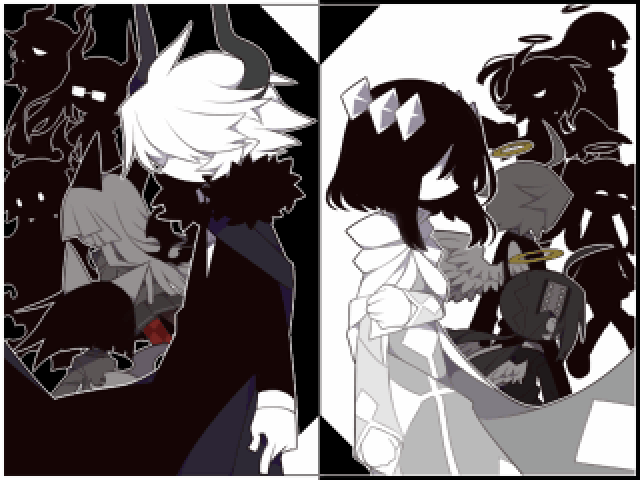
A short, freeware RPG Maker 2000 game about angels and devils who live together. I would have nearly forgotten to include this game on the list if it weren’t for a blog post I had written in 2014 where I apparently gushed about its “surprisingly engaging story,” “dark humor,” and “quirky loot.” Combat is trivially easy and is mostly just there for RPG flavor.
I feel like I should make a note here: there’s been some flash games and commercial indie games on the list already, but Deep-Sea Prisoner’s games are the first on the list to be among the sort of freeware indie RPGs at the advent of the 2010s that deeply influenced me when I was in my late teens and early 20's. These are especially important sorts of games to me, and if there's anything from this list that you feel inspired to play, go for the freeware indie stuff first! Clicking on the title of those games will take you straight to a download page.
49) Mogeko Castle (Remake) (Deep-Sea Prisoner, 2014)
Subgenre: Adventure Game Made in RPG Maker
Played: ~11 years ago
Memory of it: Hazy
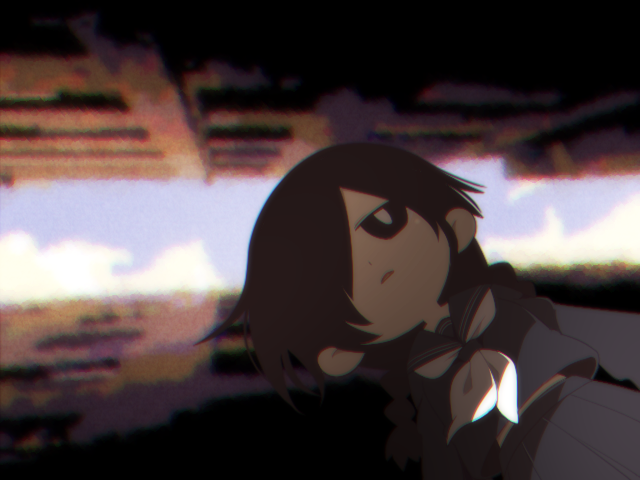
I wasn’t sure if this one counted as an RPG since there’s no combat or roleplaying from what I remember, but you still walk around, talk to creatures, and I thiiinnnk pick up items? If (mostly) nonviolent games like Disco Elysium and Citizen Sleeper are RPGs, then is this the JRPG equivalent? I wanted to err on the side of including too many games than excluding them. I acknowledge that, genre-wise, this game is very similar to Yumme Nikki, but I think they exist on opposing sides of the genre's border line. It also feels weird to omit this game in the context of Deep-Sea Prisoner's other games.
I played all of Deep-Sea Prisoners’ games around the same time, and enjoyed them similarly well, so they’re all clumped together here. I think this one was the funniest of the bunch.
48) Wadanohara and the Great Blue Sea (Deep-Sea Prisoner, 2013)

Subgenre: Pseudo-RPG
Played: ~11 years ago
Memory of it: Bare
Similar easy combat and focus on narrative as the Gray Garden. Both games get pretty dark, but this one was waaaaay darker – in fact, I remember this one a little better than the Gray Garden, mostly because of some shocking tonal shifts. I’ll let the content warnings speak for themselves. I really ought to revisit these, huh?
47) Cassette Beasts (Bytten Studio, 2023)
Subgenre: Monster collecting RPG
Played: 2 years ago
Memory of it: Pretty Good
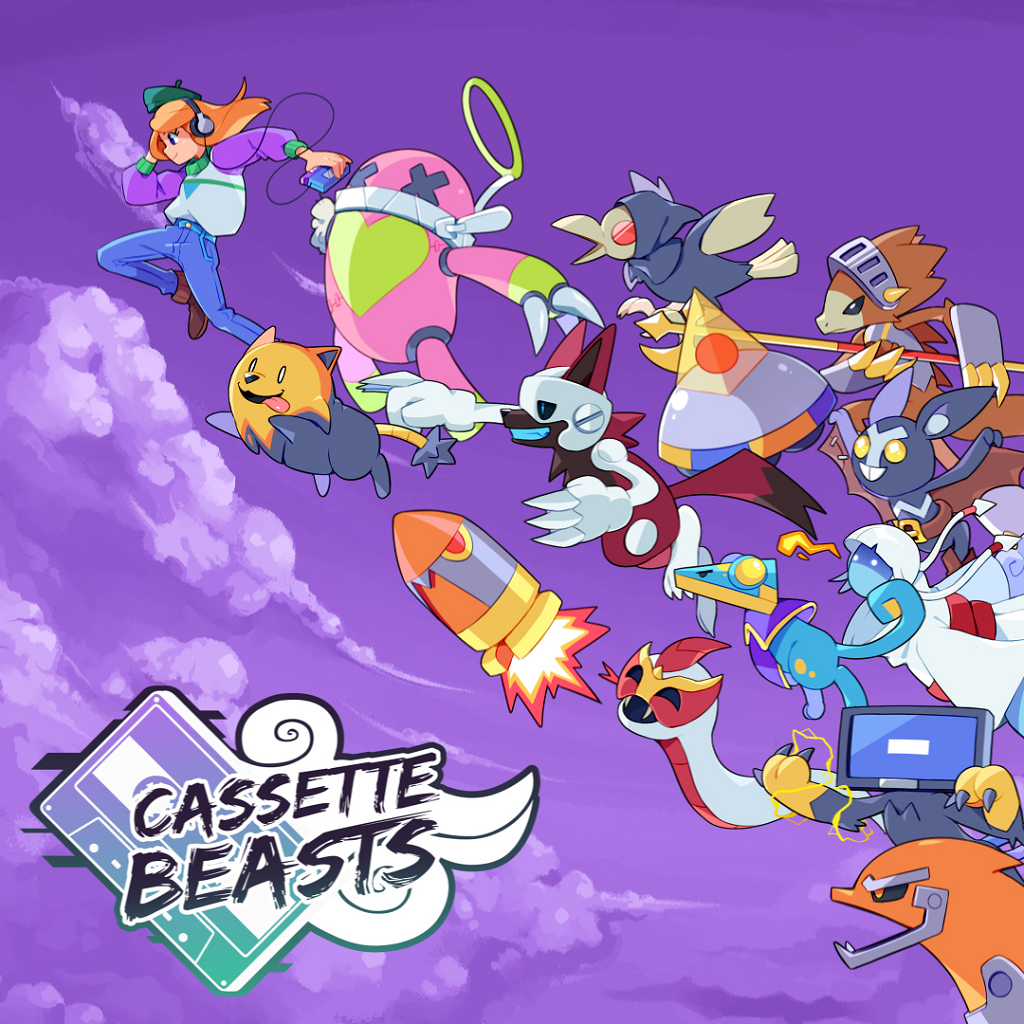
This was a fun indie Pokemon riff, employing more creative interactions between elemental types than simply dealing super effective damage or not. For example, water moves erode earth types, lowering their defense, and fire melts plastic types turning them into poison, then ignites poison types causing them to take damage every turn. My favorite type interaction is that hitting any monster with a glitter attack turns them into the glitter type, whose attacks then turn OTHER monsters into glitter types.
The boss’ designs were pretty cool, breaking out of the game’s pixel-art style into alternative analog styles in order to make them feel otherworldly.
46) I’m Scared of Girls (Moga, 2011)
Subgenre: Action RPG
Played: Twice, ~1 and 10 years ago
Memory of it: Pretty good
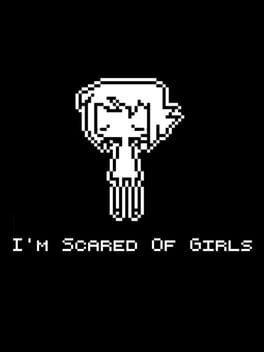
A short freeware indie RPG about a crossdressing boy in the afterlife who must cut ties with his past life. Bump combat may be all the rage in indie games in 2025, but this one had it back in 2011! You collect pieces of the protagonist’s story in nonlinear fashion, and it is possible to clear the game while missing some pieces. When I revisited it last year, I found the ending dissatisfying.
It’s an ambitious and haunting but messy game. I played a lot of games about gender identity in the early 2010’s that left an impression on me for obvious trans reasons, but this one was the most moving, despite its flaws.
45) Digimon Story: Cyber Sleuth (Media. Vision, 2015)
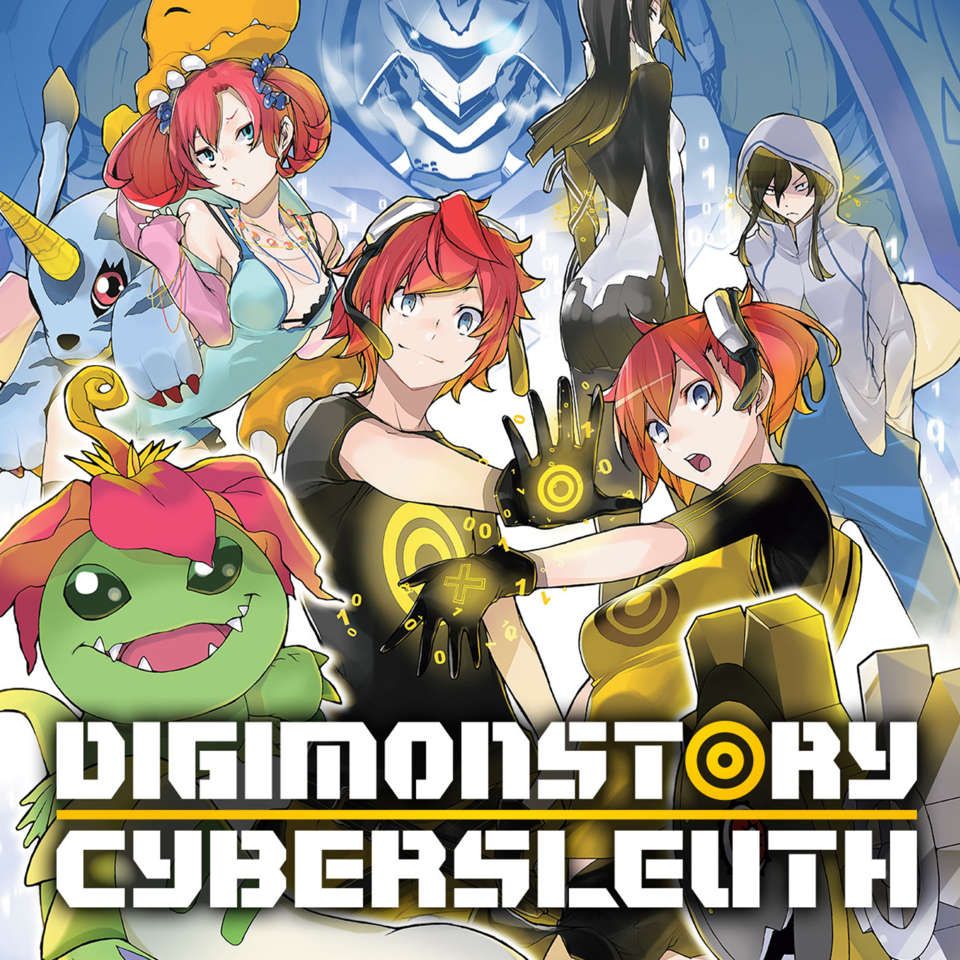
Subgenre: Monster collecting JRPG
Played: Twice, ~4 and 8 years ago
Memory of it: Pretty Good
We’re finally getting to the few actually good Digimon games. An above average RPG.
The number of times in the Cyber Sleuth games that the screen goes to black and a character describes a meal in excruciating detail is deeply self-indulgent on the writer’s part, and that is a compliment.
I kinda hate the ending, but not as much as I hate Suzuhito Yasuda’s female character designs in this game, by and large! What about Kyoko’s character would make me think she’d walk around with her shirt totally unbuttoned? Yuuko’s shirt is weird. My partner still jokes about the way the female character model runs boobs first through the world. I love good-looking gals (see FFXIII in Part 1) and horny games (see Embric of Wulfhammer in Part 3), but this sort of design is alienating and undermines the characters in a way that is hard to overlook. I know it's typical anime gooner bullshit, but it is because it is so typical that I will call it out.
44) Quantum Entanglement (SaintBomber, 2016)
Subgenre: Adventure Game Made in RPG Maker
Played: ~ 2 years ago
Memory of it: Hazy
A fun, funny, sci-fi freeware indie yuri adventure by the creator of Embric of Wulfhammer. You play as a janitor in an underground science facility whose memory regularly gets wiped. I hit the same dilemma categorizing this game as I did with Mogeko Castle, but I think both games hit the explore-a-world-and talk itch that RPGs do, so I’m counting it as one. The character writing is top notch.
43) Standstill Girl (Sky Scraper Project, ...2013, maybe? I can't find a definitive date!)
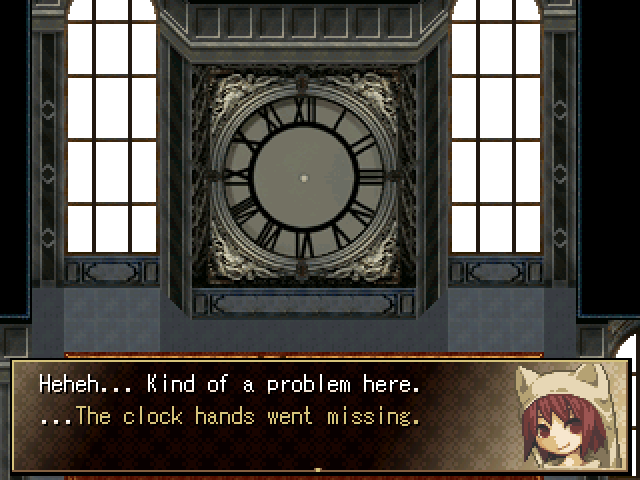
Subgenre: JRPG
Played: Twice, 2-11 years ago
Memory of it: Fair
Indie RPG where a girl retrieves lost memories that may have been better forgotten. From what I remember, it’s a little edgelord-y (pretty much every bad thing that could happen to someone happens to this girl), but it’s gorgeous and ambitious and has a cool one-on-one battle system where you gain MP every turn, and I like that sort of thing.
42) Megaman Battle Network 2 (Capcom, 2001)
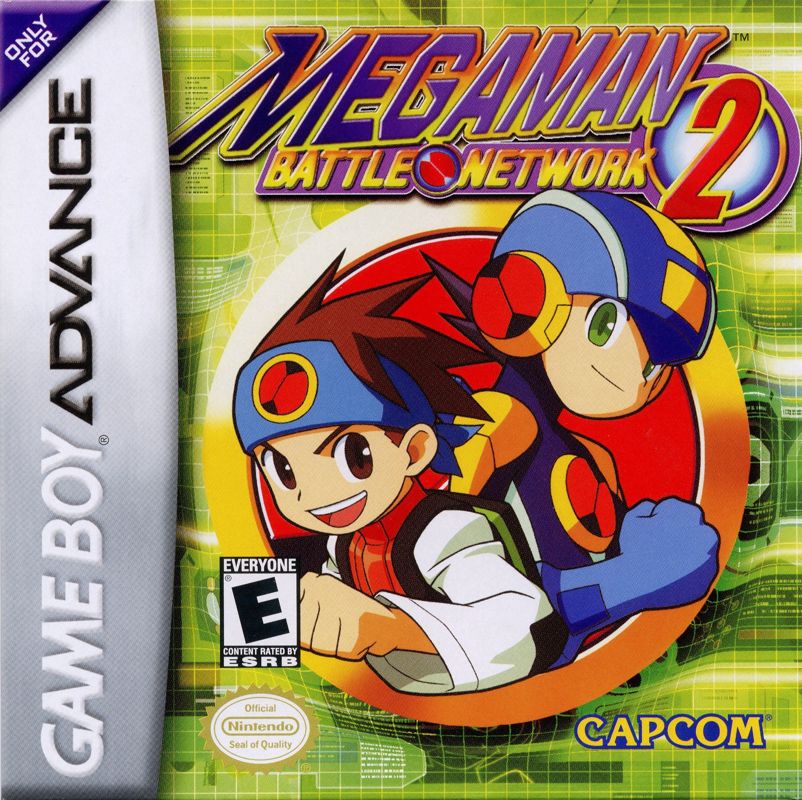
Subgenre: TRPG
Played: 2-3 years ago
Memory of it: Pretty Good
When I played through the MMBN Legacy Collection from start to finish, MMBN2 left a big impression on me. It maintains the focus and fast pace of the original game (it is the last of the non-backtracky Battle Networks) while improving upon the boss design and story.
While BN1 established the series, it was BN2 that set the standard for every game that followed.
Sadly, this is the most racist and xenophobic of the Battle Networks, which is a shame, because the part where Lan leaves his home country and travels abroad would otherwise have been one of the standout parts of the series! It captures the feeling of being stranded without the comforts and resources you’re used to so well.
The game’s final dungeon is one of the most memorable – instead of an inexplicable evil fortress, like in most entries, it’s a relatively grounded and understated (but still imposing) abandoned apartment building full of computer servers. Compared to the other entries, the finale feels more rooted in cyberpunk than in typical anime/videogame melodrama.
And, also, hey, look at that! BN2 is the median game on this list. I didn't expect that!
41) Digimon Story: Cyber Sleuth - Hacker’s Memory (Media.Vision, 2017)
Subgenre: Monster collecting JRPG
Played: Twice, ~3 and 8 years ago
Memory of it: Pretty Good
The follow-up to Cyber Sleuth. I preferred this one for the relatively grounded story – you play as an ordinary hacker instead of the pseudo-digital being you play in the original. Hacker’s Memory also saw some much needed rebalancing from its predecessor – in a game design decision that baffles me to this day, defense-piercing moves in the PS4 release of Cyber Sleuth were entire orders of magnitude more effective than any other type of attacks, rendering other moves useless, and were justifiably nerfed in Hacker’s Memory. The events of Hacker’s Memory are concurrent to the events of the original, which means the ending still drives me nuts. The queerbaiting between Keisuke and Yuu hurts. I have seen MANY people unironically praise the Cyber Sleuth games for their queer representation, and I think those people are playing different games from what I played.
40) Citizen Sleeper (Jump Over the Age, 2022)
Subgenre: Nonviolent CRPG
Played: 1 year ago
Memory of it: Pretty Good
I liked the time I spent with Citizen Sleeper. For those unfamiliar, you play as a Sleeper - an indentured servant with another person's mind copied into an adroid body - and have escaped onto a space station (the Eye) to escape the corporation that owns you. You spend each day deciding how to spend your limited time as you secure your freedom and, from there, determine how to live on the Eye, and possibly leave it.
As someone who felt that my character’s strongest allegiance was to the Eye more than anything or anyone else, there was something bittersweet about choosing to remain and continue my story every time another character’s storyline ended and they left the station.
I like games that use the passage of time to pressure the player. In RPGs, I think it is one of the few ways to add tension and friction without relying on violence, and I don’t think it’s a coincidence that nonviolent RPGs like Always Sometimes Monsters and Citizen Sleeper rely on this mechanic.
Rolling dice at the start of the day and choosing how to allocate them to determine what happens was a cool mechanic at first, but as your character levels up, the risk of failing a given task diminishes so much that the dice began to feel meaningless.
39) Persona 4: Golden (Atlas, 2008/2012)
Subgenre: JRPG
Played: 5 years ago
Memory of it: Fair
The Persona franchise’s reputation precedes itself. Great story, art style, music, and gameplay. Solid game.
But as much as I enjoyed solving the mystery, it’s hard to overlook the socially conservative sentiment that runs through Persona 4 that includes (but is not limited to!) persistent homophobia. Do the characters in this game really accept themselves, or do they conform to the external pressures of society? Yukiko decides to inherit the inn from her parents after all, it turns out that Kanji isn’t actually gay, and Naoto submits to living as her assigned gender. (Having romanced Naoto in my playthrough, the amount of control the game gives the protagonist over how Naoto expresses her gender is really unsettling! Not cool!)
On the plus side, this game was one of the pieces of media that inspired me to buy a motor scooter, which has been one of the better things I’ve done for myself this decade.
38) Pokemon Legends Arceus (Game Freak, 2022)
Subgenre: Monster-collecting JRPG
Played: One and a half times, ~1 and 3 years ago
Memory of it: Pretty good
I already reviewed Legends Arceus alongside Sword and Violet in 2024, and to reiterate previously stated positions on Gens VIII and IX – I’m willing to overlook some graphical roughness if I’m otherwise able to have a good time, which I did.
When this game came out, it was as close to a dream Pokemon game as I could’ve asked for. If your normal Pokemon game is a JRPG abstraction of the Pokemon trainer experience, then Legends Arceus feels more like a Pokemon trainer simulation. I love the way in which the game recontextualizes the relationship between humans and wild Pokemon, both by letting them attack the player directly and tying that into the lore of the game’s historically ancient setting. Small touches like being able to maintain control of your character during combat and having them get buffeted by the surrounding action go a long way into immersing the player.
The Volo boss fight may be one of the greatest battles in the franchise. While I think the changes to the battle system were a downgrade (letting combatants input their moves right before acting was a mistake), the Volo fight in particular plays to the system’s strengths – moreso than regular Pokemon games, simply having more Pokemon on your team is a huge advantage, and giving Volo what is effectively a team of 8 was a great way to pressure the player.
37) Pokemon Violet (Game Freak, 2022)
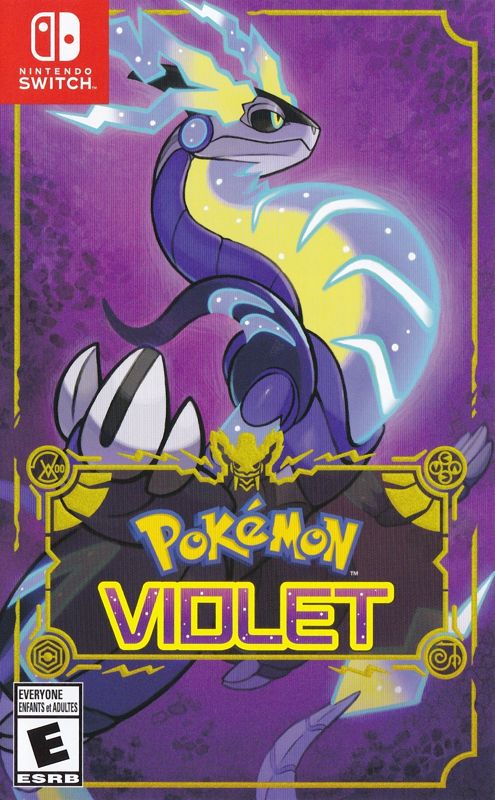
Subgenre: Monster-collecting JRPG
Played: ~2-3 years ago
Memory of it: Pretty good
While I normally despise open-world design as commonly applied to games (see my thoughts on Skyrim and FF7: Rebirth), when applied appropriately, they are delightful. An open-world format works great for a game like Pokemon that has multiple concurrent subplots, all of which are mandatory, but all of which are independent of each other.
A lot of people wish that gym leaders and other bosses in SV had level scaling, and, hot take, I think they are wrong. I think that if every gym leader had Pokemon whose level matched yours, then it would render decisions of what to do next meaningless. Giving the player choices in a game doesn’t mean that all of the choices must be equally valid; in fact, the presence of wrong choices can give decisions meaning. I had the most fun in SV when I accidentally stumbled into a part of the game I was underleveled for and was either able to overcome it anyway, or I got curbstomped (a rarity in this franchise! What a treat! Hurt me more, Game Freak!) and actually had a goal to work towards.
The final boss battle was memorable, and I think this was the first Pokemon game I played where I actually cared about the side characters. It is so cute when the whole gang assembles Avengers-style at the end to tackle Area Zero. What a treat.
I had a hard time figuring out where to place this relative to Pokemon Legends Arceus – I want to reward Arceus for its experimentation, but I think Violet was just more fun.
36) Pokemon Gold/Crystal (Game Freak, 1999-2000)
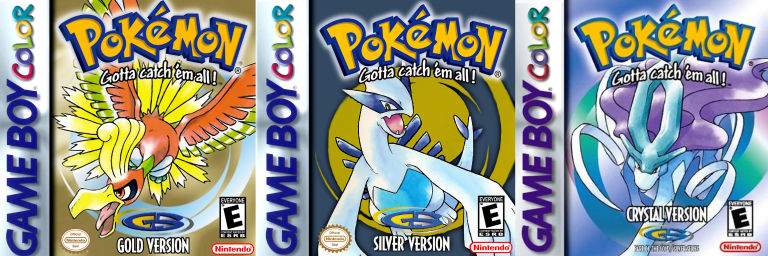
I didn't play Silver but, like, I'm not editing the box art images on my mammoth blog post
Subgenre: Monster collecting JRPG
Played: Repeatedly ~6-25 years ago
Memory of it: Fair
I had played Gold version as a kid, but have since replayed Crystal as an adult.
These games are peak 8-bit aesthetics for me. It is such a pretty game with wonderful use of color. I’ve already written about how the color palette restriction of the monsters in Pokemon GSC influenced my monster design in Danger Zone Friends and Jailbird Nocturne. And as much as I love Gen I's soundtrack, Gen II knocks it right out of the park. The rival battle theme is just dense with drama and I love it.
Like many Pokemon fans of my generation, I used to think of Gen II as a unilateral upgrade of Gen I (more Pokemon! Psychic type nerfed! Defense split! Bug fixes! Two regions!), but as time has passed, my general thesis about Pokemon has become that I’m not certain if more/improved features makes for a better game. Additionally, it seems that the consensus on this game has declined over time. Is the internet wrong, or is GSC more middling than I thought? I really need to revisit this game for myself.
Something that 8 year old me and 33 year old me agree on is that battling Red in Mt. Silver is one of the coolest things that has ever happened in a Pokemon game. What a great post-game boss.
35) Final Fantasy VII: Rebirth (Square Enix, 2024)
Subgenre: Action JRPG
Played: ~6 months ago
Memory of it: Pretty good
I feel so conflicted about Rebirth and have never struggled with where to place a game on this list as much as I have with this one. I think it represents the best and worst parts of AAA game development excess.
I mostly hated the open world component. It is tedious and unrewarding. I spent months pecking away at this game, and had to take long breaks in-between. Its chief sin is that most of the points of interest are mostly copy-and-pasted from each other. Every lifespring, every summon shrine, every comms tower, and every Chocobo stop are not differentiated in any meaningful way. The first baby Chocobo I encountered by a Chocobo stop was cute. But by the thirtieth one, I began to resent them, which makes me sad, because they’re supposed to be lovable!
But I also think that when you have a main story that’s as urgent as it is – you’re actively pursuing Sephiroth to stop him from ending the world! - having so much side content undermines that urgency. And when Rebirth’s actual main content is as good as it is, it was easy for me to get impatient and resent the game from keeping me from the next part of the actual story.
Thankfully, you can skip most of the side content and have a good time, but that means missing out on cute cutscenes with your party members, the game’s more powerful summons, and Queen’s Blood, which is the only card game minigame in an RPG I have ever liked (it is brilliantly designed!). So I met the game halfway and only explored the game’s world to get the rewards and experiences I cared about. The less of Rebirth I played, the better time I had. Not good!
But buried under the tedium is an otherwise awe-inspiring game. The mixed real-time/ATB combat system is great. The game is gorgeous. Every cutscene feels lovingly made. It is a spectacular game in the most literal sense of the word – it’s a series of flashy spectacles. If this were a different game, that would be an insult, but Rebirth is so damn good at it.
Regarding the story of the Remake trilogy as a whole – I don’t think there was ever going to be a version of this story that competes with the original. I think the best call was for this game to explore different themes – ultimately, I think FF7R is a metanarrative about Final Fantasy VII as a franchise, fan expectations, and retelling stories, which is cool, but the original game is a story about loss, which is just going to be more meaningful. No contest. But I also think the remake trilogy is better for being its own story. Aerith getting killed by Sephiroth – gaming’s best known plot twist of all time – was never going to have the same impact the second time, so I’m not sure if a straightforward retelling was ever going to work. At the end of the day, despite fan insistence otherwise, I don’t think we ever needed a second FF7. But it's here.
But while the Remake trilogy is worse version of FF7’s story, I do think it is the best way to spend time with its characters. I love the character writing, acting, and animation on display here. I kinda “get” Tifa now and for the first time genuinely wasn’t sure who I wanted Cloud to have his Gold Saucer date with.
It’s a game that alternates between being remarkable and awe-inspiring and being bloated and undermining itself. At times there is too much filler, while at the same time it doesn’t give itself enough time to breath and let the player process the game’s more emotional moments.
PS – There’s some discourse about the ambiguity of Aerith’s fate at the end of Rebirth spoiling some people’s feelings about it, but it seems preeeetty clear to me that the party is in a universe where Aerith is dead! I don't think Nomura is trying to keep stringing us along here. If that makes the game go down easier for you, then you’re welcome!
34) Pokemon Sun (Game Freak, 2016)
Subgenre: Monster-collecting JRPG
Played: This month
Memory of it: Fresh
Pokemon Sun has the honor of being the game I finished when writing this draft! These impressions are as fresh as they get.
I originally skipped this one because, while I had a good time with Sword and Shield, it was pretty mid in the grand scheme of Pokemon games, and I did not like X and Y. So I assumed that the game bridging the gap between them was comparably unremarkable. I was wrong.
I finally gave this one a play and was delighted. The premise is fresh – I love the tropical setting, the island challenge, and the Z-moves (Gen 9 terrastalization may be the deepest battle gimmick of the 3D titles, but I nonetheless prefer the elegance of timing an extra-powerful attack once per battle to mega evolution or dynamax). The nice thing about having 7 island challenge sites and 4 Kahuna battles set in the wilderness instead of 8 gym battles in towns and cities is that you’re never just going through an area just to get somewhere – you’re almost always making marked progress on your objectives. I also noticed that most NPC trainers in the game only have single Pokemon on their teams, which I think actually did wonders for the pacing. Playing Sun never felt like a slog. It’s not a challenging game by any means, but there was enough friction to make team-building decisions matter.
I don’t always get attached to the supporting cast in a Pokemon game, but this is one of the few exceptions. Hau and Gladion are great companions. Even though Hau is another variation of the “friendly rival” character that I normally dislike in the series, I found him genuinely lovable. Having a game intently focus on the friendship between the player and just one character – Lillie – was something I wish the series did more often. I was genuinely touched by her story. I love the energy that Guzma and the rest of Team Skull brings. And yes, evil jellyfish mom Lusamine is hot.
Does Sun/Moon have some of the best music in the franchise? Maybe.
Pokemon Sun made me finally understand what Game Freak has been trying to do with the 3D Pokemon games. Most Pokemon games relate to some aspect of childhood experience, but the 2D and 3D games explore different facets of it. If, as I discuss in depth later, Gen 1 Pokemon conveys the feeling of being a competent child in a confusing adult world, then Gen 7 Pokemon tries to let you be a child and guide you through the confusion, giving you a hug at the end of the day. It is a genuinely warm and wholesome game in a way that most Pokemon games from Gen 6 onward try to be but sometimes fail to. I just felt really good after playing through this adventure.
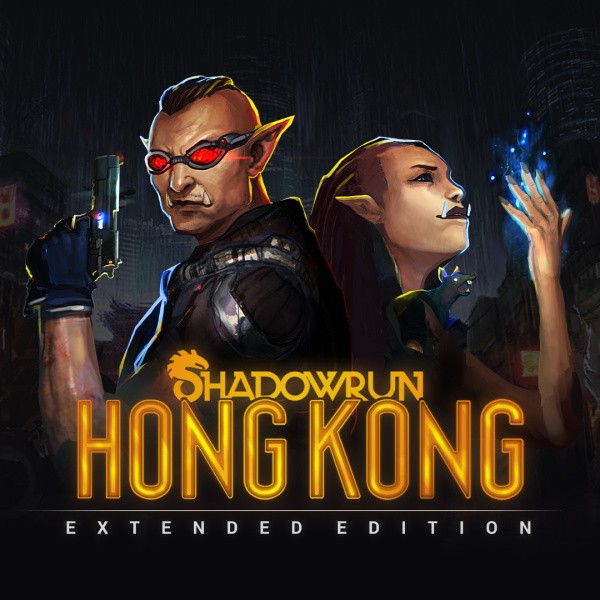
33) Shadowrun: Hong Kong (Harebrained Schemes, 2015)
Subgenre: CRPG
Played: 7 years ago
Memory of it: Hazy
I remember this being a really impressive game! It doesn’t do anything too crazy from I remember, but I also remember it being nearly flawless. The fantasy cyberpunk setting that Shadowrun is known for is lots of fun, and it translates to a unique battle system. Often, during missions, a designated hacker (or “decker”) on your team will need to jack themselves into a computer system to accomplish an objective, leaving themselves vulnerable. Meanwhile, the rest of your party in meatspace will be doing their normal TRPG combat bullshit. Having to coordinate between the two fronts of battle while protecting your decker’s helpless body was fun. I enjoyed the constant change in perspective between the relative calm of cyberspace (where comparatively more happens during a turn) versus the cacophony of meatspace gunfights.
There’s one mission where you have to break into an office and disrupt its Feng Shui, shifting furniture around and breaking things. It’s great. If you like isometric CRPGs, this is a great one.
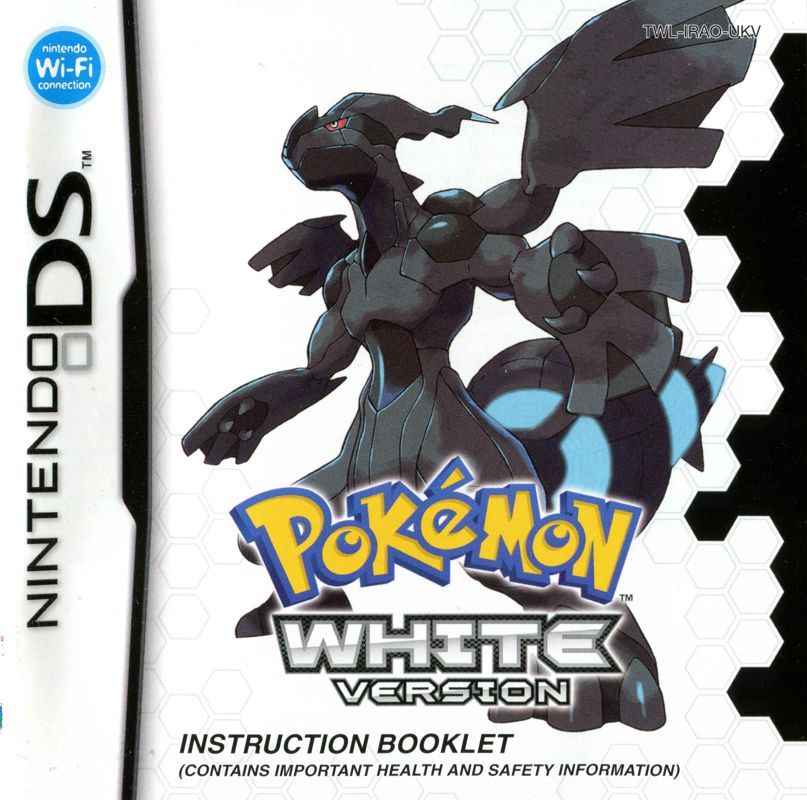
32) Pokemon White (Game Freak, 2010)
Subgenre: Monster-collecting JRPG
Played: One and a half times, ~3-8 years ago
Memory of it: Fair
This is the third or fourth time I’m saying this, but many Pokemon fans list this entry as the peak of the franchise… and this time, I mostly agree with them. Black and White combine the mechanical refinements of Diamond/Pearl/Platinum with arguably the best story in the series. Gen V was the end of the 2D Pokemon era, and every previous entry had built up to this perfect storm of a game.
The climax is easily the best of the franchise. I’m sorry, did you want to challenge the Pokemon League Champion? Too bad! The evil team’s castle just emerged from the fucking ground and boarded the Pokemon League, and now you have to clear a goddamn dungeon, challenge your rival to a duel with a pair of Legendary dragons you just caught, and then go immediately into one of the game’s toughest final bosses of all time! Absolute banger of an endgame.
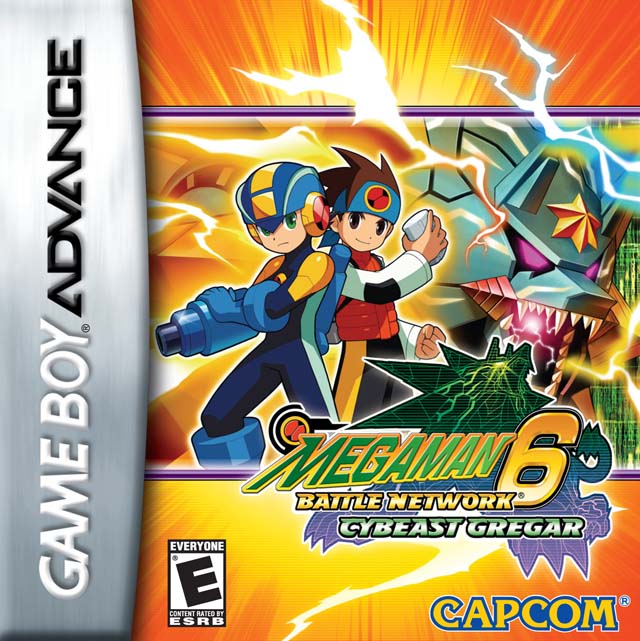
31) Megaman Battle Network 6: Cybeast Gregar (Capcom, 2005)
Subgenre: TRPG
Played: 2-3 years ago
Memory of it: Pretty Good
The final entry of the MMBN series, Battle Network 6 is the most mechanically fine-tuned among them. There’s a reason this is the entry that is used for competitive multiplayer. Pulling off chip combos is more satisfying in this entry than any other, and tapping a button to unleash Megaman’s literal beast mode once every few battles feels awesome.
It also helps that BN6 features one of the series’ better plotlines, though it is still not my favorite. It may feature the best combat of any Battle Network game, but it is still only second best entry overall...
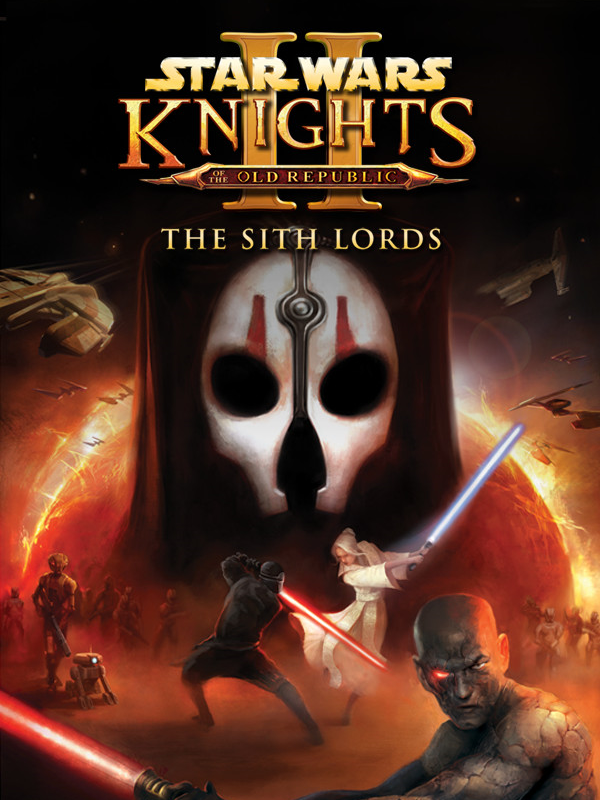
30) Star Wars Knights of the Old Republic II: The Sith Lords (Obsidian, 2004)
Subgenre: CRPG
Played: ~4 years ago
Memory of it: Hazy
Between the two KotOR games, I agree with the consensus that KotOR II is the messier, but more interesting of the two. There are only so many ways to meaningfully play with the moral essentialism of the light and dark side of the force in Star Wars, but KotOR does have a cool premise in having the story revolve around the destruction of the force itself, the good and the bad.
Maybe its just because I’ve replayed the first game so many times, but as much as I liked what KotOR II does, it did leave me feeling a little cold. But maybe that’s the point. I think I need to revisit this one.
29) Exit Fate (SCFworks, 2009)
Subgenre: Turn-based RPG
Played: At least twice, ~11-16 years ago
Memory of it: Fair
I haven’t heard people talk about this RPG Maker XP classic since it came out, and that’s a shame! Exit Fate absolutely shaped my (mis)understanding of the JRPG subgenre. While I grew up with Pokemon, Battle Network, and Kingdom Hearts, it wouldn’t be until my late teens or early twenties when I would play Final Fantasy VII for the first time and actually play a more “traditional” JRPG. And well before that, I played Exit Fate.
While Exit Fate isn’t Japanese, it reuses background tiles and plot elements from Suikoden and music from various 90’s Square RPGs, and has (two!) turn-based battle systems. It is a remix of the genre that is (mostly) to form. Pokemon may have been my first reference point for the JRPG genre, but it was Exit Fate – not Final Fantasy, not Chrono Trigger, not Dragon Quest – that was my second.
Despite the borrowed assets, it is still an impressive creative undertaking, featuring gorgeous original sprites and portraits for 76 playable characters, not to mention all the art for the non-playable characters and enemies. It has a 40 hour runtime! It’s one of the most insane solo dev undertakings I have ever seen!
I’ve never seen a battle system quite like Exit Fate’s. Combatants are placed on two 3x3 grids, akin to Megaman Battle Network. Like in most RPGs with rows, characters who are placed further back take less damage but deal less melee damage, but unlike those games, you can’t hit a character with a melee attack until any characters directly in front of them are dealt with first. Spells have different areas of affect depending on the element, adding to the combat's depth. For example, water spells hit an entire column, while lightning spells hit in a cross shape.
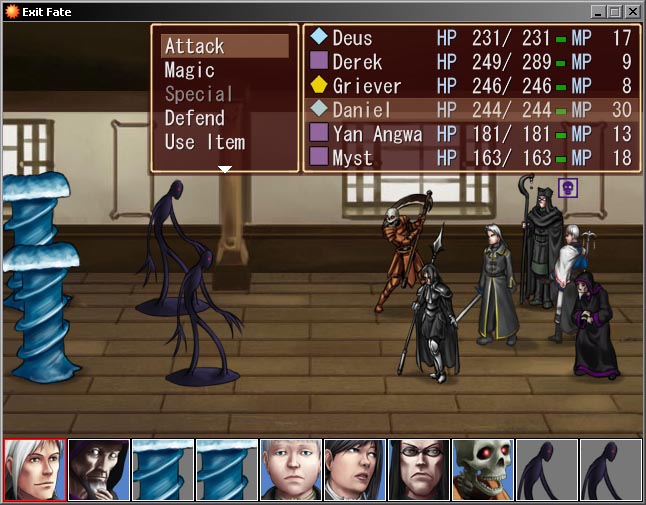
This was also the first game I played with a system where characters started each battle with a low amount of MP and generated a set percentage of their maximum MP every turn – a system I assumed was more common in JRPGs but would find was not the case! (If you’ve played DZF or Jailbird Nocturne, this is THE game I took its MP system from!) It combined this with a spell slot/power point style system where you could only cast each spell a certain number of times per battle.
In addition to the normal battles, there’s also comparatively barebones but still satisfying Fire Emblem-style TRPG combat for war scenes.
Among every RPG Maker game I ever played, Exit Fate is the only game that feels like it could have been released by an actual game studio in the 1990’s. And beyond just being an insane creative endeavor for a single guy to undertake, it was a solid game that became my gateway to an entire subgenre.
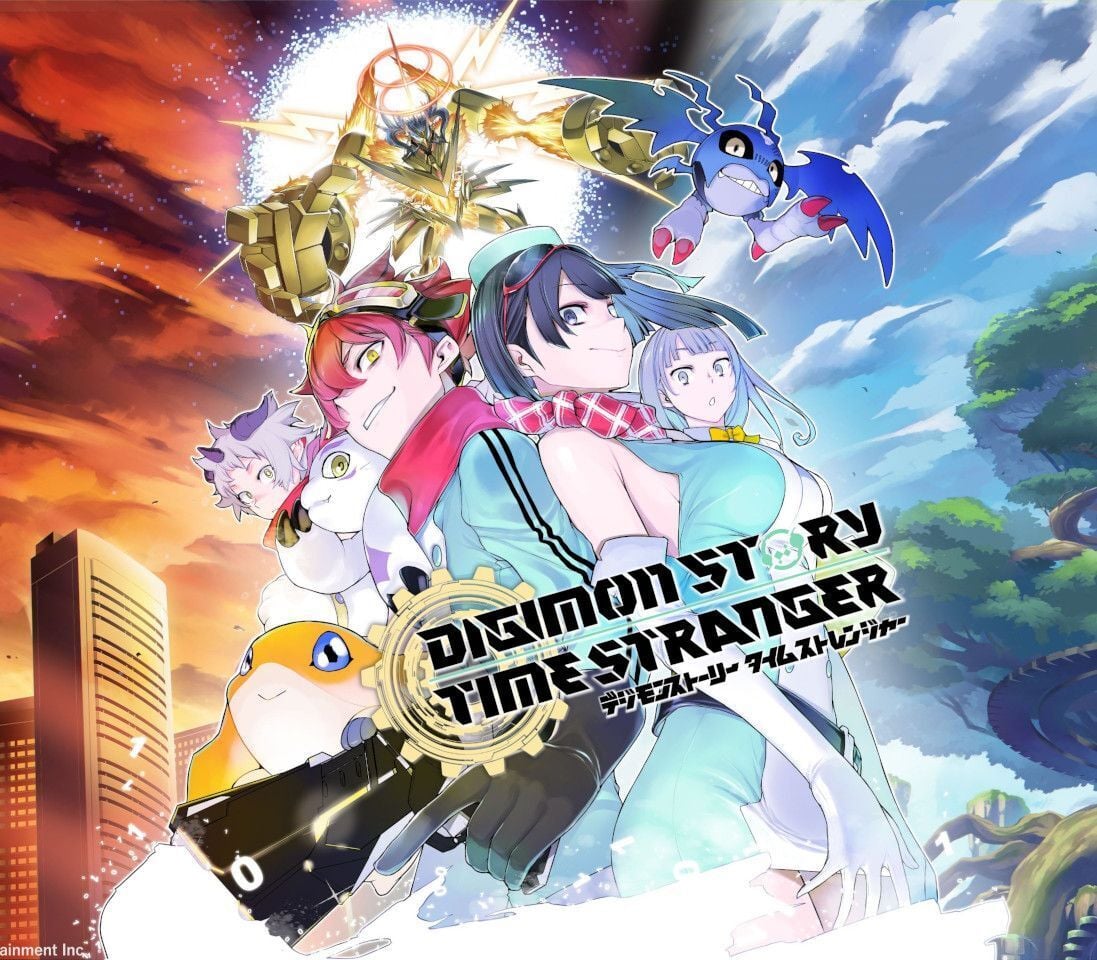
28) Digimon Story: Time Stranger (Media.Vision, 2025)
Subgenre: Monster collecting JRPG
Played: A few months ago
Memory of it: Pretty Good
What a solid game! An unambiguous step forward from the Cyber Sleuth games.
It’s a treat seeing what Media Vision can do with Digimon now that they are freed from the hardware limitations of the PS Vita. The Digimon themselves look great, and some of the environmental design is stunning. Central Town stands out to me in particular – it’s vibrant, densely populated, and feels metropolitan and lived in. The compositions of the interior spaces are lovely.
The gameplay is a general improvement from the Cyber Sleuth games. I have some gripes about the changes to the Digi-farm, but overall, managing your team is streamlined, they finally did away with the weirdly unbalanced defense-penetrating moves, and the frequency at which your monsters text you inane messages has plummeted.
Most fights in the game are routine, and a lot of boss fights follow a similar formula, but there were enough tough and cleverly designed battles that I overall feel fondly about the combat. I got through the Titamon+SkullBaluchimon fight by the seat of my pants and it felt so good.
Being able to ride your Digimon is great. 10/10 best videogame gimmick of the year. Getting a new Digimon and seeing if and how it carries you around is delightful.
The story has its ups and downs. It seems unassuming and especially pulpy/videogame-y at first – there’s one character in particular who never ceases to remind you that you have an adoptive father named Dr. Yuki – but it’s a set-up for a neat plot twist later on. The game had me by its middle – you watch a series of tragic demises unfold before your eyes and have to travel back in time to prevent them, and it feels heavy.
The game’s climax was weird. The game decides to drop what feels like at least a third of its sidequests at the player’s feet right when they start the final dungeon, which absolutely deflates the tension and stalls out the momentum that was building. Couldn’t they have just saved all of that for the post-game?
And then there’s one part during the final boss battle where the Royal Knights (13 super special Digimon that Bandai loves to cram into everything) who have been mostly uninvolved in the main story until that point just pop up out of nowhere, do a ton of damage to the boss, and then disappear for no reason? It was dumb lowercase-f fanservice that further cheapened what had been a well-executed story until that point. And then one of the Olympus XII evolves towards the end of the fight as though she’s the main character and went through some hard-earned character arc (she didn’t). And then the game ends the way the Cyber Sleuth games end with a near-total timeline reset, and what better way is there to end a story than to tell the player that nothing they did mattered and nobody learned anything?
And I need to complain about the female character designs again! The actual 3D renders of Time Stranger’s women aren’t as objectifying as the 2D art, and Suzuhito Yasuda’s new designs are not as offensive as they were in Cyber Sleuth, but still – the girl’s school uniform shirts fit a liiiittle weird, one character wears an unzipped catsuit that she had no reason to wear and expresses discomfort in wearing (meaning she would realistically at least zip it up). But honestly what’s worse are the feminine Digimon that have been added to the roster in this game. Ceresmon, Junomon, Venusmon, and BeelStarmon are all designs from Bandai’s 2010’s I-guess-we-are-marketing-to-horny-teenage-boys now era of Digimon, and they all feature prominently in the plot. These designs are just really uncomfortable! While there’s only so much you can do with preexisting character designs, their uncritical inclusion paired with three consecutive games of Yasuda's bullshit all contributes to a generalized feeling of “ick” throughout Time Stranger.
27) Transistor (Supergiant Games, 2014)
Subgenre: Action RPG
Played: 11 years ago
Memory of it: Hazy
I didn’t play enough of Hades to feel comfortable ranking it, but it is undeniably my least favorite of Supergiant’s titles (I disliked Hades for the same reason I disliked Rogue Legacy, see Part 1). But, oh boy, I have so much fondness towards the rest of Supergiant’s catalog.
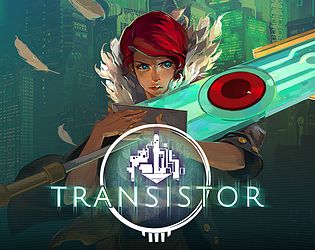
Transistor is a cyberpunk indie action RPG about a singer who lost her voice and whose boyfriend got turned into a big sword. Tough. Immaculate vibes, solid story, wonderful soundtrack, and a delightful blend of real-time and turn-based combat. Among Supergiant’s games, I think this one had the best gameplay, but Bastion was more impactful, and Pyre was more interesting. I need to revisit Transistor.
26) Kingdom Hearts (Square, 2002)
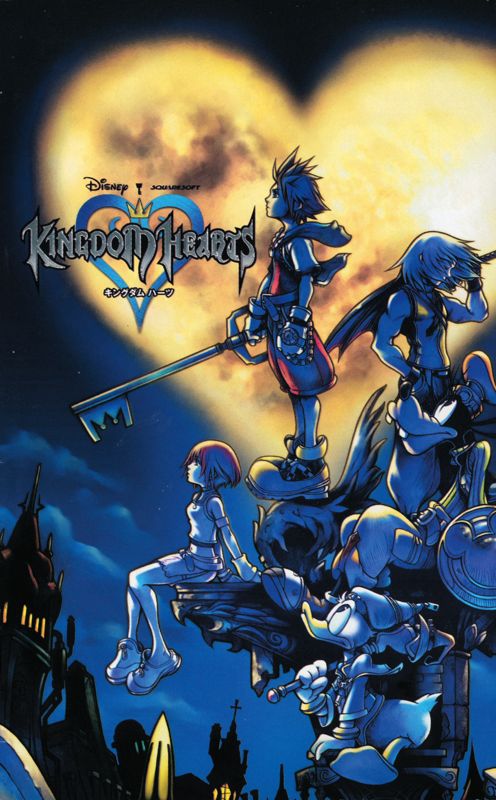
Subgenre: Action JRPG
Played: Over a long period of time ~21-23 years ago
Memory of it: Fair
When I was 11-ish, my dad took me on a roadtrip through the Midwest to introduce me to the part of the country he grew up in. We stayed at a friend of his in Chicago for a couple of nights, and while his friend’s daughter wasn’t there, her Playstation 2 and copy of Kingdom Hearts were.
Since I couldn’t save my progress, I spent my evenings playing the opening section of Kingdom Hearts over and over, usually making it as far as Traverse Town, if not a little further. The dream sequence at the beginning of the game is incredible – the stained glass pillars, the haunting choir, the enigmatic narration. I was enchanted.
And so I got a copy sometime after I came home and spent a good chunk of that year pushing through what was, in hindsight, a really punishing game for children. I was stuck on the Hollow Bastion fight with Rikku and the fight with Chernabog for what felt like a month each, attempting the fights over and over in futility. It was during my eleventh or twelfth attempt battling Satan at the End of the World while “Night on Bald Mountain” played in the background when my mom uttered, “there sure is a lot of grunting in this game, huh?” After weeks of effort, each victory felt hard won.
I haven’t revisited the games since. By the time I was a teen and young adult, it was easy to make fun of the children’s Disney/Final Fantasy crossover anime game with convoluted lore and comically large shoes. But with maturity and more distance, I think the consensus among my generation has shifted: Kingdom Hearts is a classic for a reason.
Tetsuya Nomura is not one of games’ great storytellers, but he is a master of character design and atmosphere. I think what makes Kingdom Hearts so great is that it tells a simple story in some visually stunning settings. Given my fondness for the opening dream sequence, Traverse Town, Hollow Bastion, and the End of the World, I wonder if Kingdom Hearts would have been better if it had consisted entirely of original worlds and had omitted the less breathtaking Disney settings altogether. But perhaps the contrast between the two is where the magic comes from.
25) Bastion (Supergiant Games, 2011)
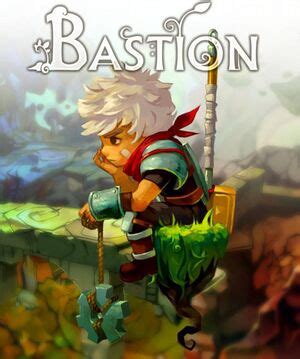
Subgenre: Action RPG
Played: At least twice, 13-14 years ago
Memory of it: Hazy
When I was in college, I loved Bastion. The Honors College had a game-themed costume party one year and I dressed up as The Kid, clad in cardboard armor.
The gameplay and story themselves were solid enough, but back when the game came out (early in the history of commercialized capital-I Indie Games), there were so few among its contemporaries that experimented so much with their style. The gorgeous artwork, storybook narrator who reacted to everything you did, and a standout game soundtrack with actual lyrics all left a big impression on me. Indie and AAA games since then haven’t been as shy about the thoughtful usage of lyrics in background music, but it was a big deal when Bastion did it.
24) Nier: Automata (Platinum Games, 2017)
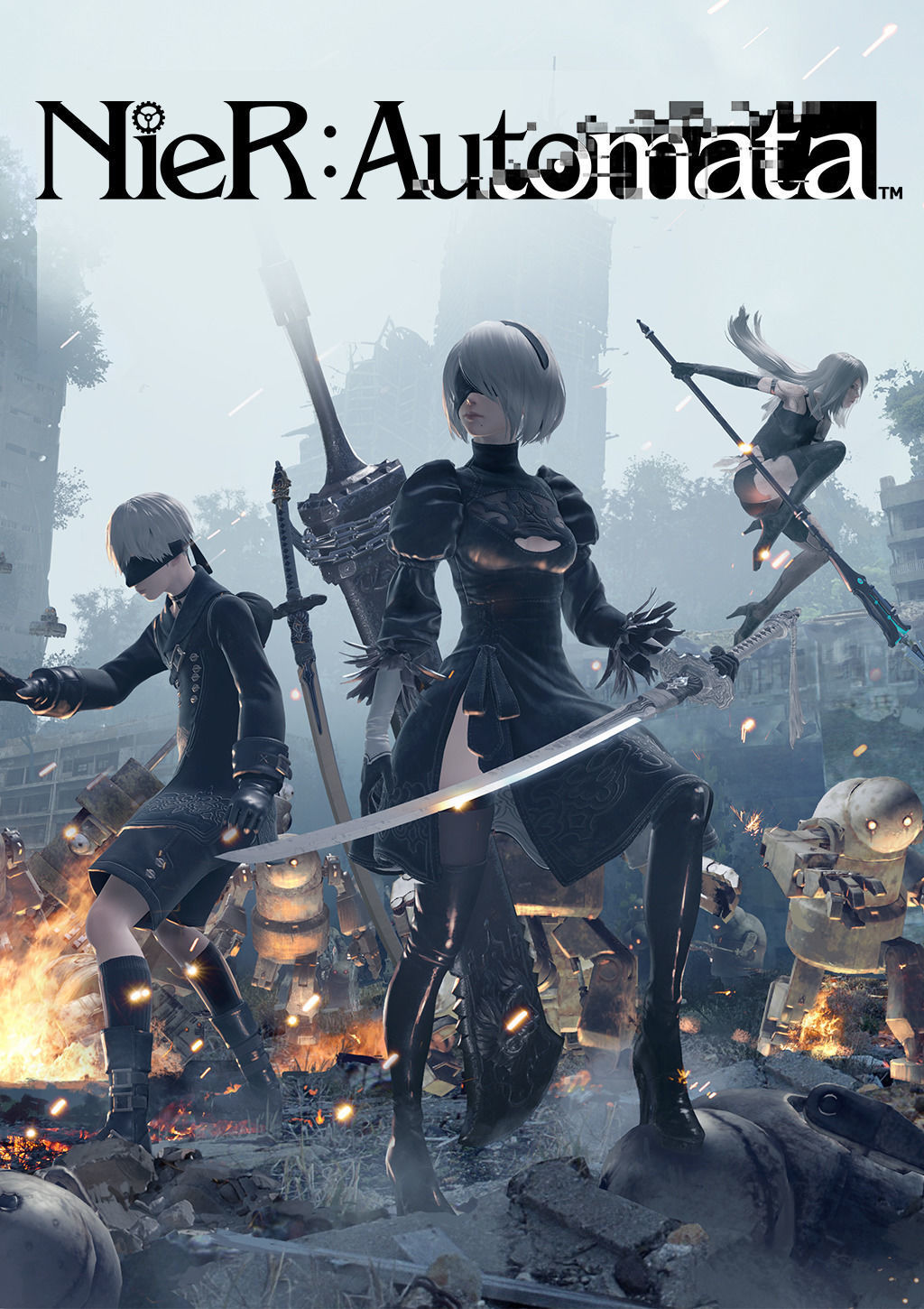
Subgenre: Action RPG
Played: 8 years ago
Memory of it: Fair
I don’t think Nier: Automata is as thematically deep as most people make it out to be. To the contrary, it’s a good game because it feels like a roller coaster, and it is such a good coaster. The beginning and end of the game’s third act are unforgettable. A fun ride.
I was going to skip over Nier: Automata’s objectification of women, but coming on the coattails of holding the Digimon Story games accountable, I feel like I have to be consistent as a feminist killjoy and examine why it doesn’t bother me as much here. Maybe it’s because 2B and A2 are robots, maybe it’s because the game’s setting is so much further removed from the real world, maybe it’s because there are hot shirtless dude antagonists, maybe it’s because the game really is more style over substance and I don’t take the characters as seriously as people. I’m not saying Automata gets a free pass, or that there weren't times where I rolled my eyes, but I think there’s something about its horniness that at least feels less jarring and more honest.
23) Pyre (Supergiant Games, 2017)
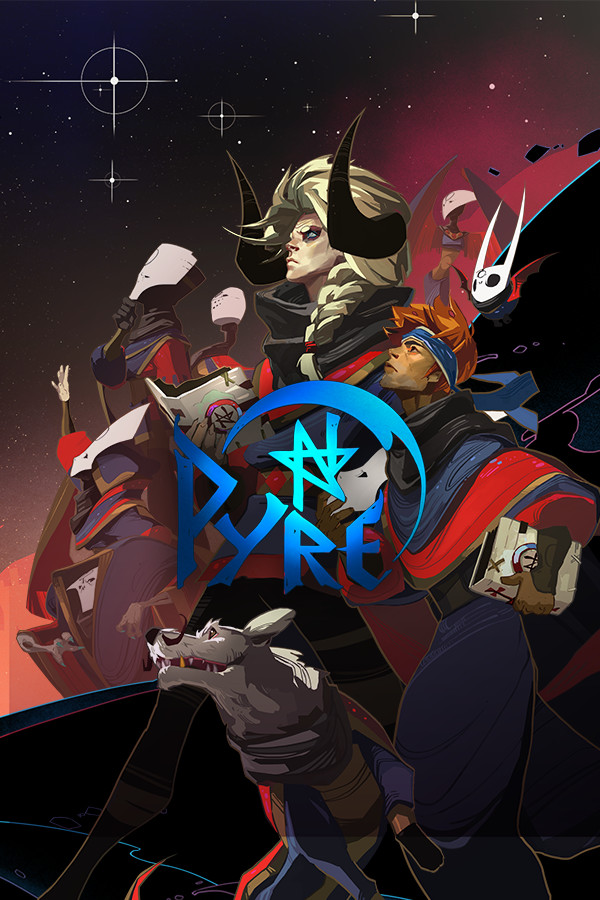
Subgenre: Action… sports(?) RPG
Played: 1-2 years ago
Memory of it: Pretty Good
God, Pyre is so cool. I can’t believe I skipped this one when it came out.
You manage a group of condemned exiles in fantasy hell who fight for their freedom by entering a series of ritualized ball game tournaments called “The Rites.” Every time you win a tournament, you choose one – and only one – of your teammates to permanently leave the party and escape to the surface. It is an agonizing decision. Among the game’s cast, you must always chose who among them most deserves to escape hell, who among them must remain with you, who among them you’re willing to say goodbye to for the remainder of the game, and who among them is able to be most effective in inciting a rebellion on the surface to end the cycle of exile and ritual once and for all.
Time in the game progresses towards the endgame no matter what happens, no matter what you choose, no matter how many ritual games you win or lose. You must deal with the consequences of your successes and failures both.
Pyre is an original and compelling way to tell a mechanically-driven emergent narrative! Such a cool and moving experience. The actual best thing to come from Supergiant.
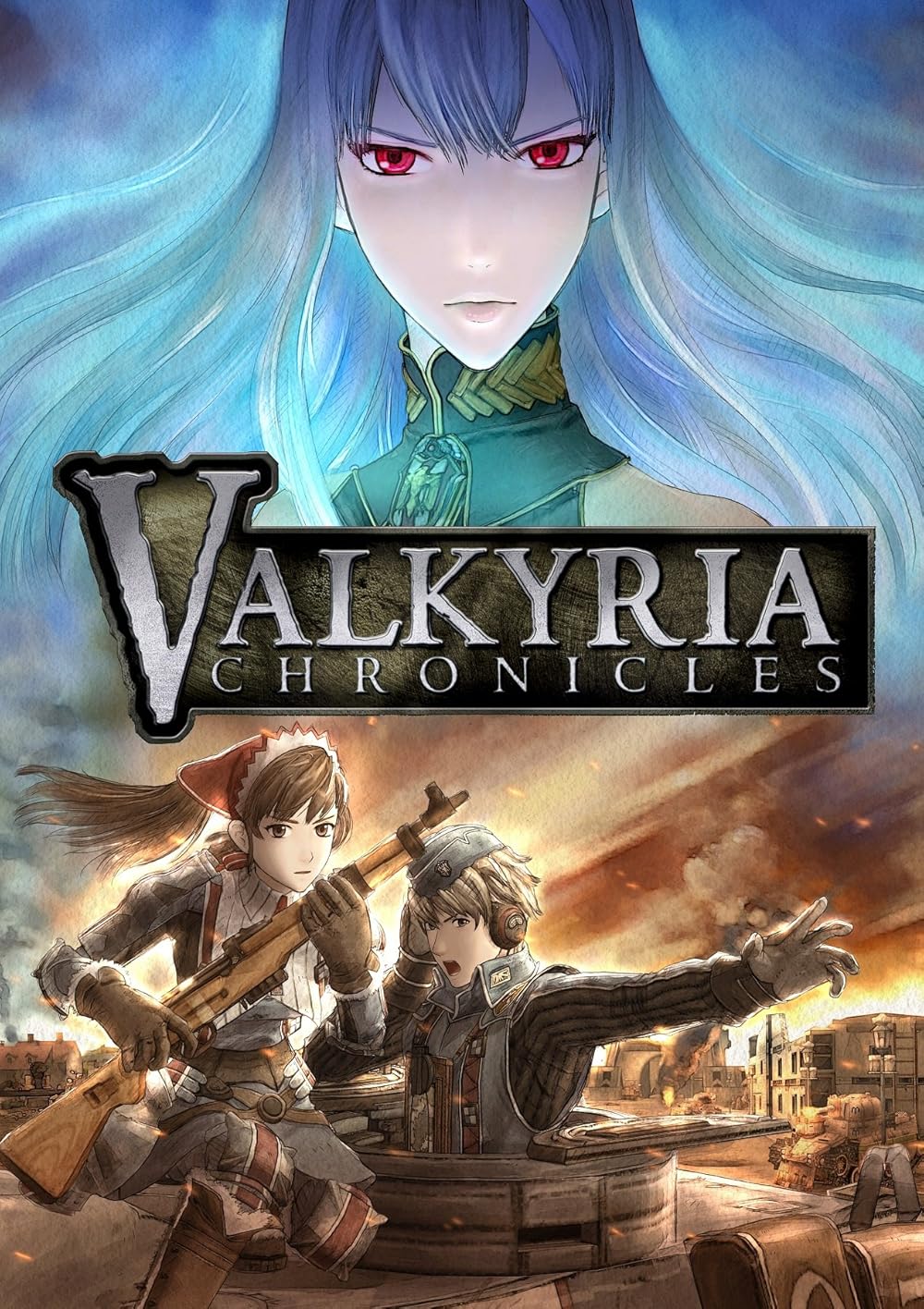
22) Valkyria Chronicles (Sega, 2008)
Subgenre: TRPG
Played: Twice, 1 and ~14 Years ago
Memory of it: Pretty Good
Whenever I finish a game on Steam, I sort it in my library based on how much I liked it. In 2024, I wanted to play something meaty, but didn’t want to spend money on something new. So I looked through my “Games I loved/would revisit” section and was shocked to find Valkyria Chronicles there. Really? Valkyria Chronicles?
So I booted it up and was enthralled all over again.
The game is set in a thinly-veiled fantasy version of World War II – The Second Europan War. Instead of the Holocaust, the “Darcsen” people are persecuted and sent to labor camps. Instead of nuclear weapons, you have cute magical anime girls that can self-destruct and take an entire city with them. So on and so forth.
The game’s story is cheesey in an anime-trope-y sort of way. And while I admire a mainstream late-aughts videogame for attempting to tackle issues of ethnic discrimination and genocide, the exploration of those themes usually felt unrooted and naïve. Except for when it didn't! This was a story that still managed to tug at my heart strings despite the inconsistent quality of the writing. I grew so attached to these characters and their struggles.
And the battles themselves are sooo much fun! For the unfamiliar, the game has a tactical RPG setup, where you takes turns moving and attacking with your units. The twist is that when you control a unit, you switch into third-person shooter style control and navigate the battlefield while enemy units fire upon you from whatever positions they’re entrenched in. Each battle is its own thoughtfully designed set-piece. It’s an awesome campaign.
The game also has Fire Emblem-style team-building and permadeath. Not only does each character in your squad has their own personality and voice lines, but their personality traits have mechanical implications. Your klutzy party members sometimes forget to reload their weapons, your masochistic party members receive a defense bonus when their health is less than half, and your canonically gay party members shoot with greater accuracy when surrounded by allies of the same sex!
It's so easy to get attached to the members of Squad 7. Aika is a champ, Dallas is a lesbian disaster (“it’s our own secret garden ;)” girl shut UP you’re 15)! And Wendy fuckin’ Cheslock is an absolute psychopath! She giggles with confidence every time you take a turn with her and delivers an understated “heh yay” every time she murders someone. Fantastic vocal performance from whoever the hell voices her. She is the best and I am not normal about her.
I think Valkyria Chronicles is a strong reminder of how a story with messy writing can be made profound through meaningful gameplay.
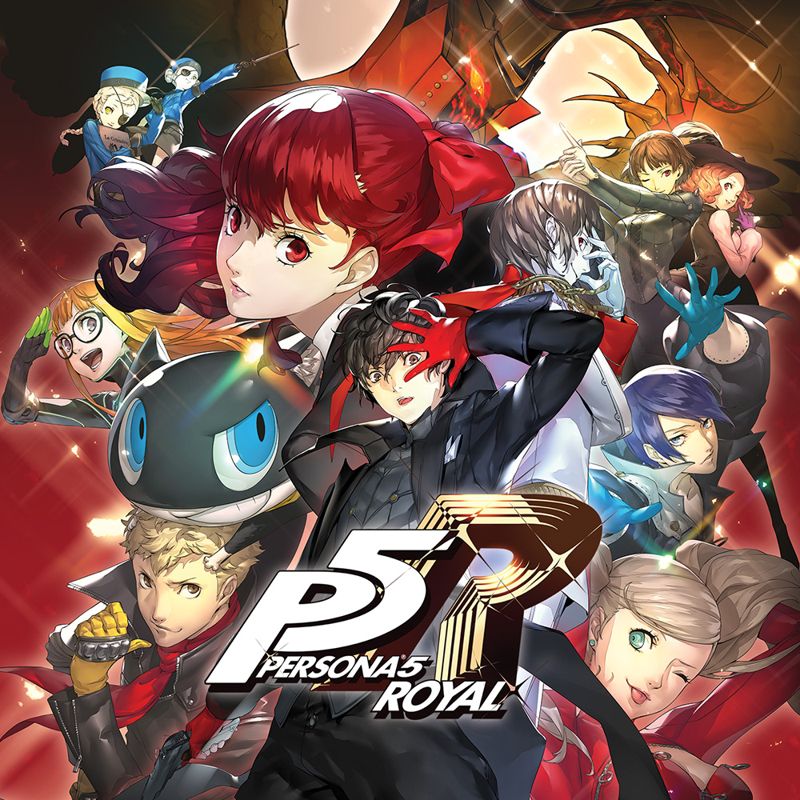
21) Persona 5 Royal (Atlas, 2016/2019)
Subgenre: JRPG
Played: ~5-7 years ago
Memory of it: Fair
I think this is the first of what will be many acclaimed and beloved games on this list where I really don’t know what to say about it that hasn’t already been said.
Incredible vibes, iconic music, great combat, and a memorable cast. The original ending felt like it took a weird left turn (and I know most Persona games take that turn, but still…), but Royal’s postgame was an enjoyable way to tie off the adventure.